
CASE STUDY
Addressing limited electrical capacity and growing demand with complete energy visibility.

Most businesses face a common challenge – how to meet growing energy demands while advancing sustainability goals.
At Bristol, we needed more than additional power – we needed a future-proof solution to support expanding EV charging needs, reduce carbon emissions and provide data insights for effective energy management.
Instead of costly grid upgrades, we crafted a solution that addressed our immediate needs and paved the way for sustainable growth, from initial site work to continuous energy optimisation.
116
solar panels installed
41
battery storage
42
annual generation
The project
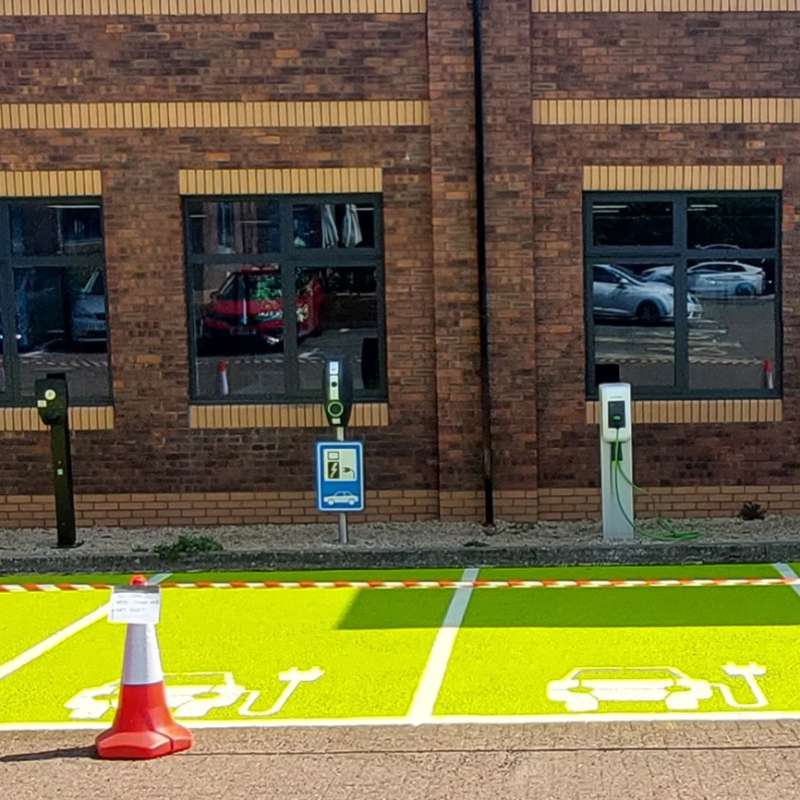
We implemented a comprehensive energy solution featuring 46kWp of solar panels and a 10kW/41kWh battery system with five 8.2kWh batteries, capable of discharging 10kW for up to four hours. This setup powers our EV charging infrastructure while allowing for ongoing optimisation.
Solar generation is directed to charging points during peak hours, with surplus energy stored for later use. When we export excess clean energy to the grid, we’re not only optimising our energy strategy but also contributing to renewable energy that helps decarbonise the national electricity supply.
This approach maximises roof space, supports our sustainability goals and generates additional revenue, benefiting our Bristol site through effective solar and battery synergy.
”Our Bristol site demonstrates what's possible when you take an integrated approach to energy management. We're showing businesses how to overcome infrastructure challenges while accelerating their Net Zero journey.
Alex WarrenCEO, Stark
Challenges
The main challenge was maximising our existing infrastructure while accommodating increasing EV charging demands. This required precise integration of systems, thoughtful load management, and advanced monitoring for optimal performance.
Complications such as delayed battery system commissioning, scaffolding errors and initial mismanagement of generation meters underline the complexity of the installation process and the need for coordination during the office refurbishment.
We gained many valuable lessons which have enhanced our knowledge and will positively influence our future projects. These insights have already shaped our internal workstreams, particularly regarding solar panel data collection.
Our Stark ID platform maintains complete visibility of building consumption and detailed disaggregation reporting, showing exactly how much energy EV charging uses versus other building operations.
Outcome
Our commitment to sustainability is evident in our solar installation from March 2023, which has generated 93,661 kWh of clean energy (54% of our building’s total consumption).
This has led to financial savings of £15,427.22 and a carbon reduction of 16,578 kgCO2e. Our solar system supports our growth and prepares us for a projected 6% increase in EV charging demand, which currently accounts for 24% of our electricity use.
Beyond our direct consumption, excess generation exported to the grid contributes clean, renewable energy to the national electricity supply, amplifying the environmental benefits of our investment.
Despite some weather-related challenges, we are focused on optimising our battery system to enhance energy storage and capture capabilities.
